How Vacuum Enables High-Performance Infrared Imaging Systems
How Vacuum Enables High-Performance Infrared Imaging Systems
Infrared imaging systems are becoming increasingly important across industries where visibility, precision and reliability are critical.
From autonomous vehicles and drones to aerospace, defense and advanced medical imaging, thermal vision technologies allow systems to detect heat signatures even in complete darkness.
But behind every infrared image lies a less visible — yet fundamental — enabling technology: vacuum.
Maintaining a stable vacuum environment is essential for ensuring accurate thermal detection, reducing signal noise and protecting sensitive infrared sensors from contamination.
How Infrared Imaging Systems Work
Unlike conventional cameras, infrared imaging systems do not detect visible light.
Instead, they detect infrared radiation emitted by objects in the form of heat.
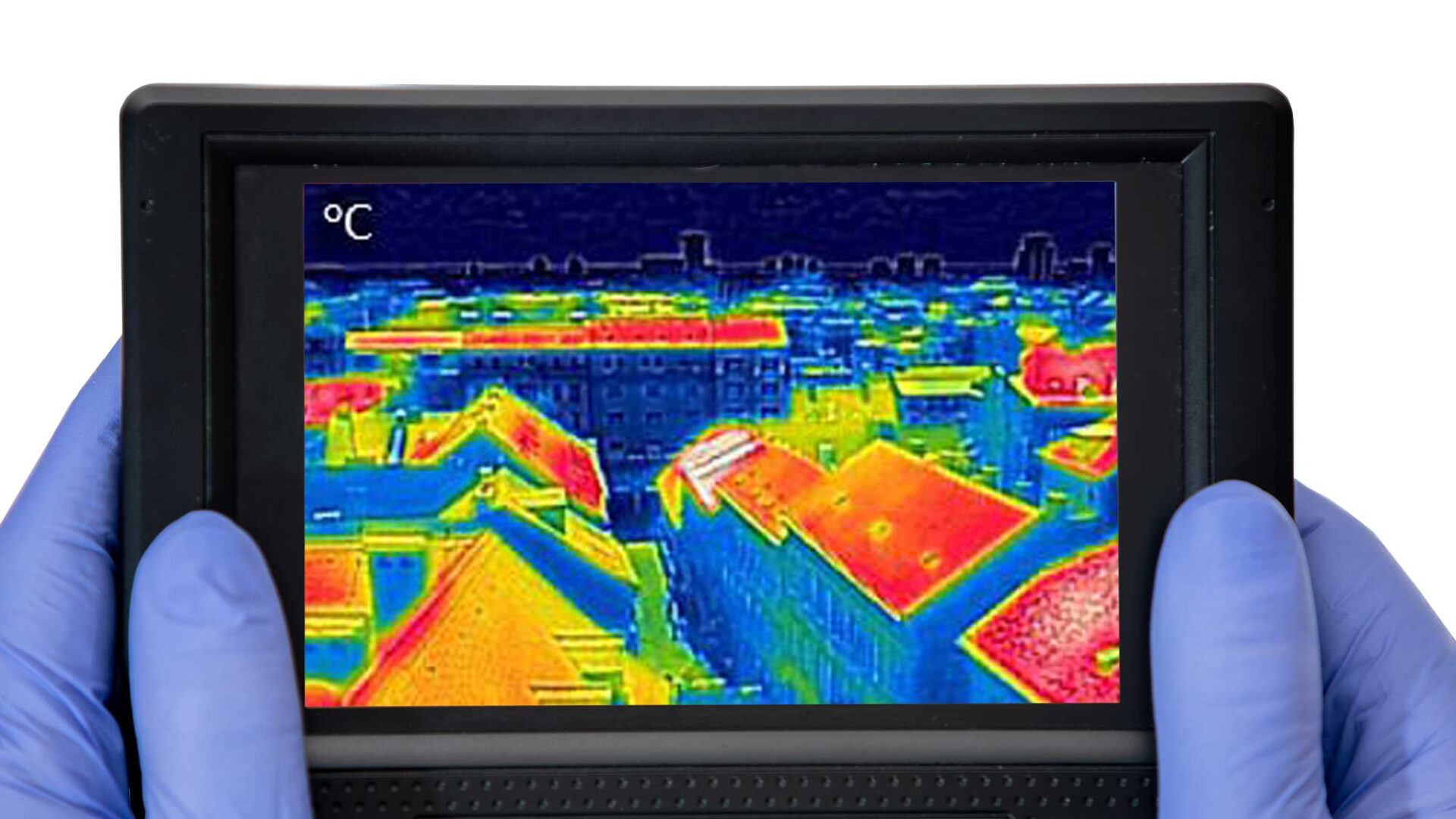
Every object with a temperature above absolute zero emits thermal radiation. Infrared detectors capture this radiation and convert it into an image where different temperatures correspond to different colors or intensity levels.
This is why thermal imaging systems can visualize people, vehicles or animals even in low-light or night-time conditions.
Today, infrared imaging technologies are widely used in:
- autonomous driving systems;
- night vision devices;
- drones and robotics;
- aerospace and defense;
- industrial monitoring;
- medical diagnostics.
Cooled vs Uncooled Infrared Detectors
Infrared detectors generally fall into two main categories: uncooled and cooled detectors.
Uncooled infrared detectors
Uncooled detectors are typically MEMS-based devices designed for compactness, lower power consumption and cost efficiency.
These systems detect temperature variations through changes in electrical resistance caused by incoming infrared radiation.
Because they operate at ambient temperature, uncooled detectors are commonly used in:
- automotive safety systems;
- surveillance cameras;
- driver assistance technologies;
- commercial drones.
Recent advances in AI-based image processing are also significantly improving the performance of uncooled sensors, enabling higher-quality imaging at lower costs.
Cooled infrared detectors
Cooled infrared detectors are designed for applications requiring extremely high sensitivity and image precision.
Unlike uncooled systems, cooled detectors operate at cryogenic temperatures and can detect extremely small infrared signals with very high accuracy.
These systems are typically used in:
- aerospace;
- satellites;
- military imaging systems;
- advanced scientific instrumentation.
Because of their sensitivity, cooled detectors require highly stable thermal conditions and extremely efficient vacuum insulation.
Why Vacuum Is Critical in Infrared Sensors
In thermal imaging systems, the main challenge is not simply detecting heat — it is isolating the desired thermal signal from surrounding thermal noise.
Without vacuum insulation, heat from the surrounding environment can interfere with the detector, reducing image quality and signal accuracy.
Vacuum plays several critical roles inside infrared imaging devices:
- thermal insulation;
- reduction of thermal interference;
- improved signal precision;
- protection from oxidation and contamination;
- prevention of condensation at low temperatures.
This is especially important in cooled infrared detectors operating at cryogenic temperatures, where even small amounts of moisture can condense or freeze inside the device and compromise optical performance.
By maintaining a stable vacuum environment, infrared sensors can focus exclusively on the target thermal signal while minimizing unwanted environmental effects.
The Role of Getters in Infrared Imaging Devices
Because infrared detectors are highly compact sealed systems, traditional vacuum pumps cannot be integrated inside the device.
This is where getter technologies become essential.
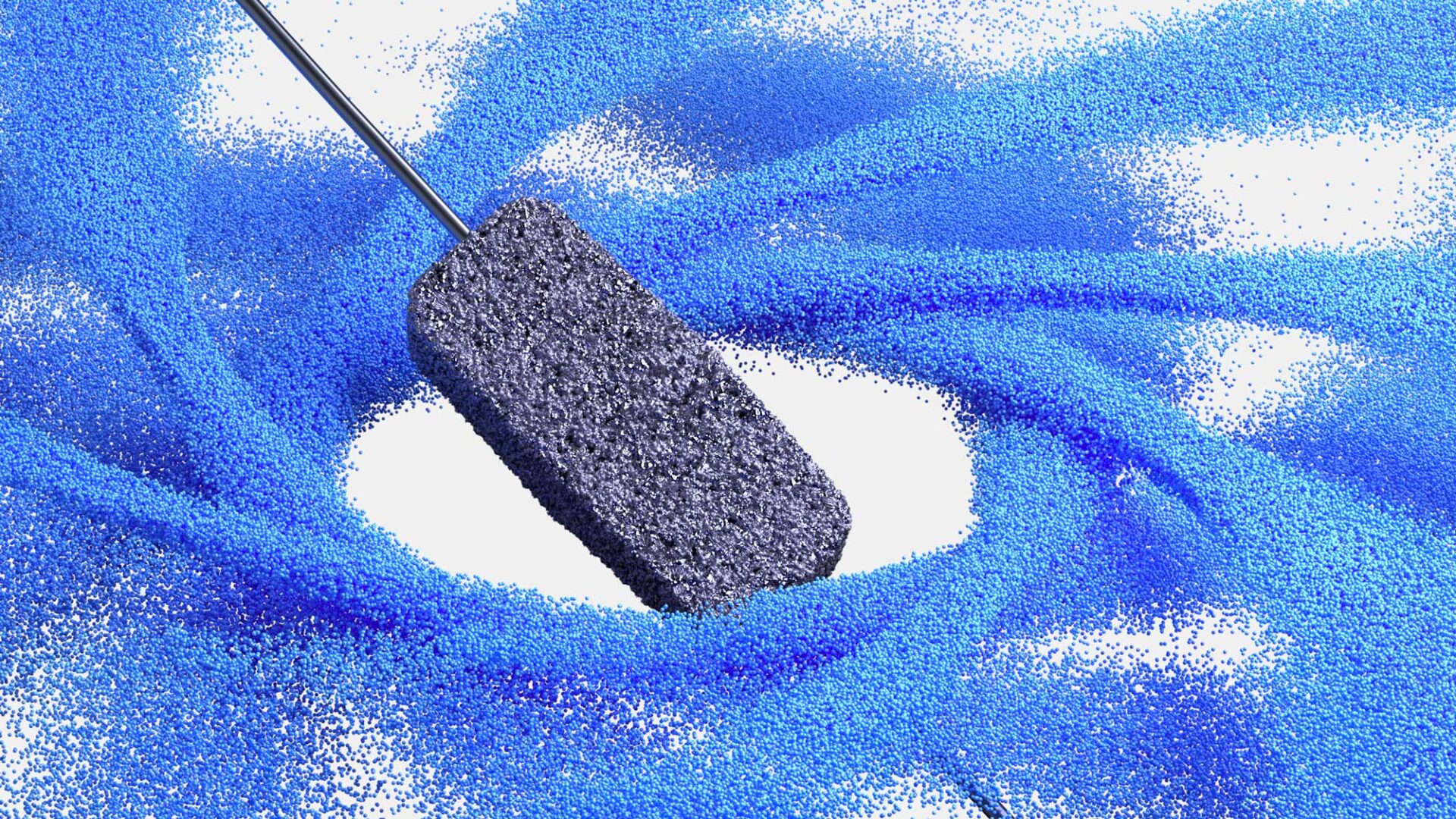
Getters are materials designed to maintain vacuum conditions inside sealed electronic packages by absorbing residual gases and contaminants such as oxygen, water vapor and other impurities.
In infrared imaging applications, getters help:
- maintain long-term vacuum stability;
- improve thermal insulation;
- reduce contamination risks;
- support device reliability over time.
Different getter solutions are used depending on the detector architecture.
Thin-film getters for MEMS devices
Compact uncooled MEMS detectors typically use thin-film getter solutions integrated directly into the package.
These solutions support:
- miniaturization;
- wafer-level packaging;
- high-volume manufacturing.


Porous getters for cooled detectors
High-performance cooled detectors often use larger porous getter solutions capable of absorbing greater quantities of residual gases.
These technologies are particularly suitable for:
- cryogenic systems;
- aerospace applications;
- defense imaging systems;
- long-lifetime devices.

Enabling the Next Generation of Infrared Imaging
As infrared imaging applications continue to expand, vacuum technologies will remain a critical enabling factor for sensor performance, stability and miniaturization.
From compact MEMS thermal sensors to advanced cryogenic imaging systems, maintaining a clean and stable vacuum environment is essential for delivering reliable infrared detection in demanding environments.
Invisible to the end user — but fundamental to the technology itself.