



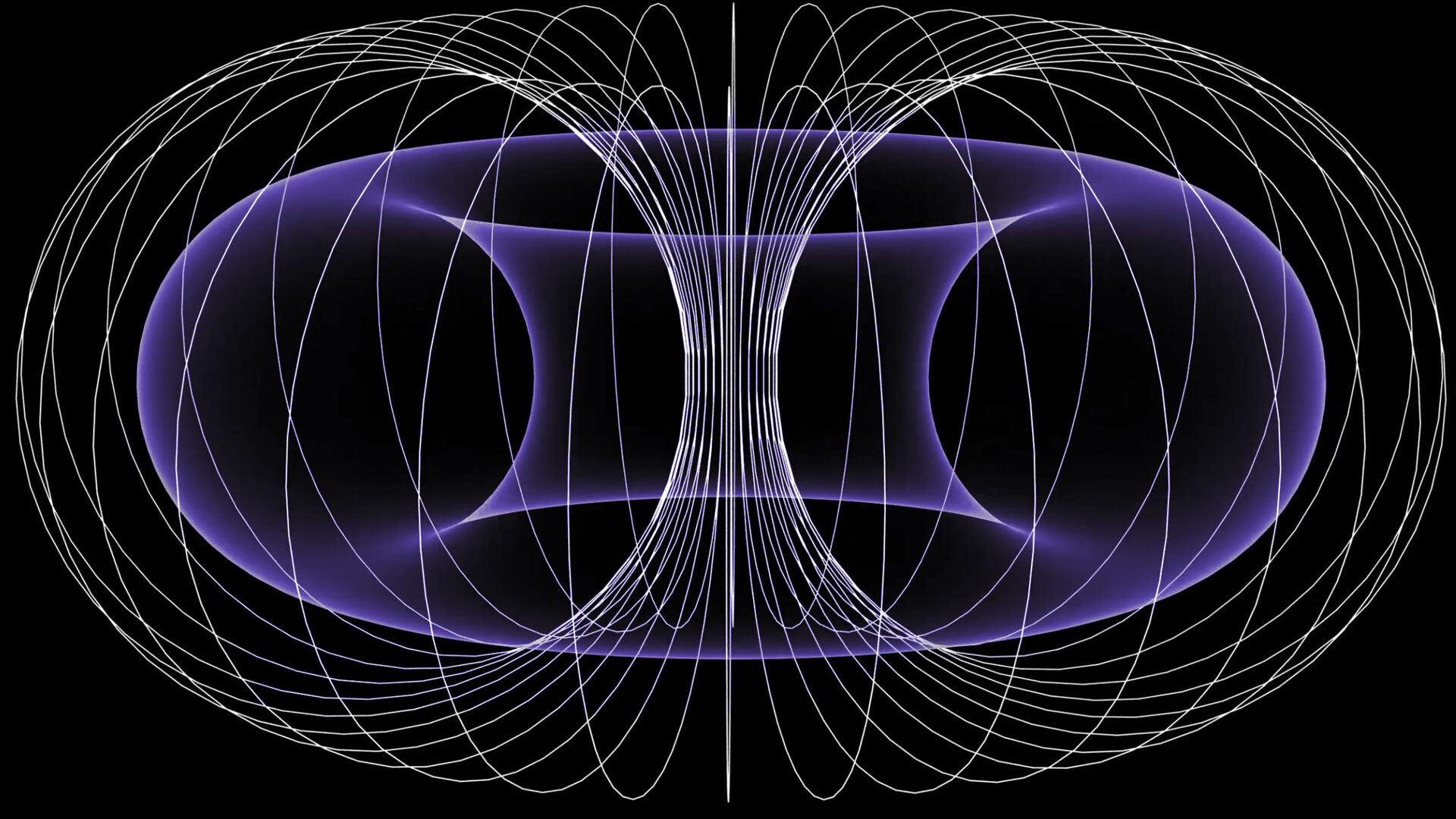
Deuterium and Tritium Recycling
The Fusion Reaction
Deuterium and tritium fuse at plasma temperatures reaching 100 million degrees Celsius, releasing helium, neutrons and other hydrogen isotopes, releasing significant energy. Managing the resulting gas load is critical to reactor operation.
Hydrogen Isotope Handling
Fusion systems require a deep and clean vacuum environment for hydrogen isotopes. Exhausted isotopes must be separated from helium and managed throughout the fuel recycle system with precision and reliability.
Tritium Recycling
Recovered tritium must be purified and reintroduced into the plasma system. Efficient recycling — with controlled storage and release — is a key step in making fusion a feasible and sustainable energy source.
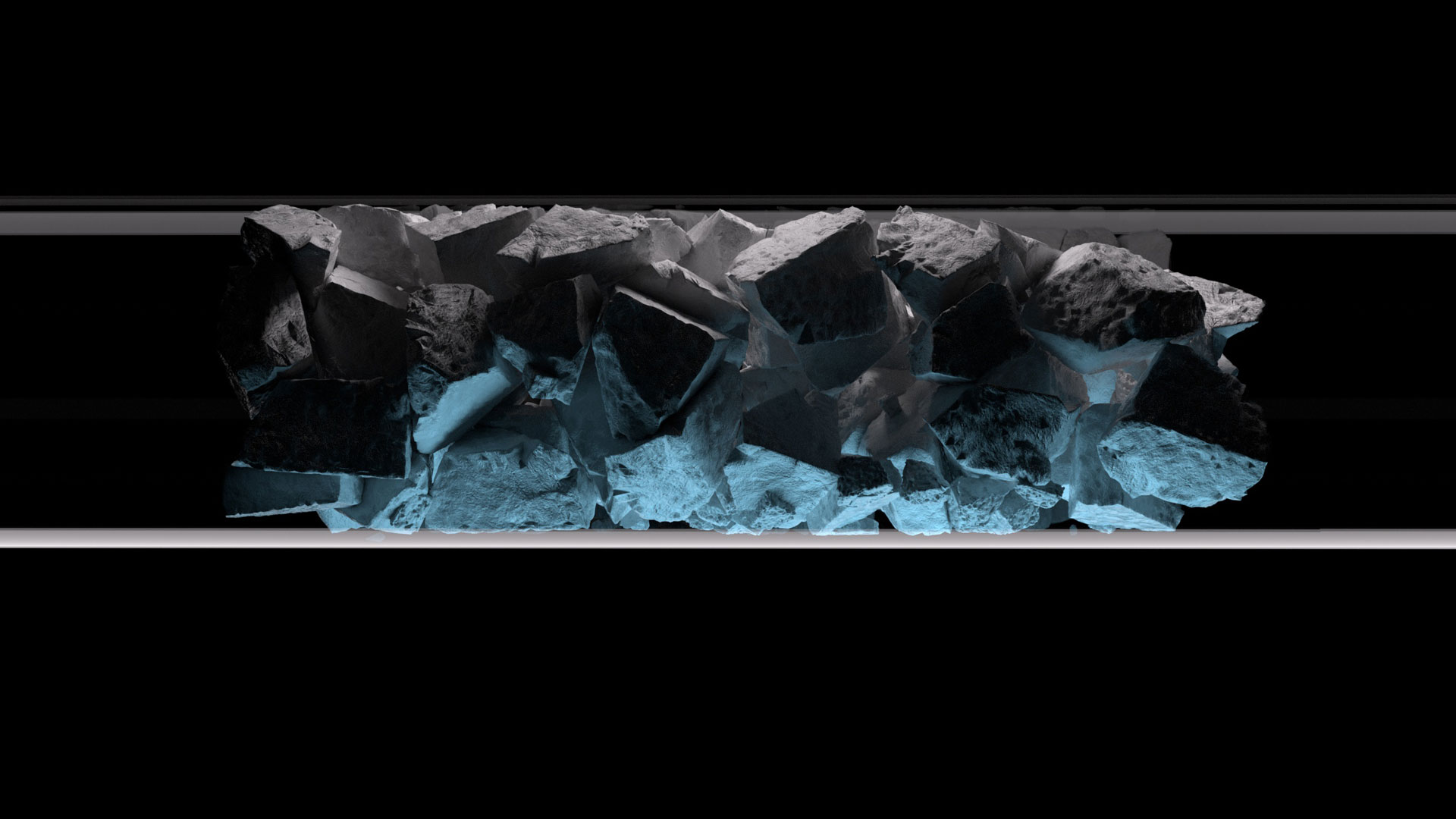
ZAO NEG Technology
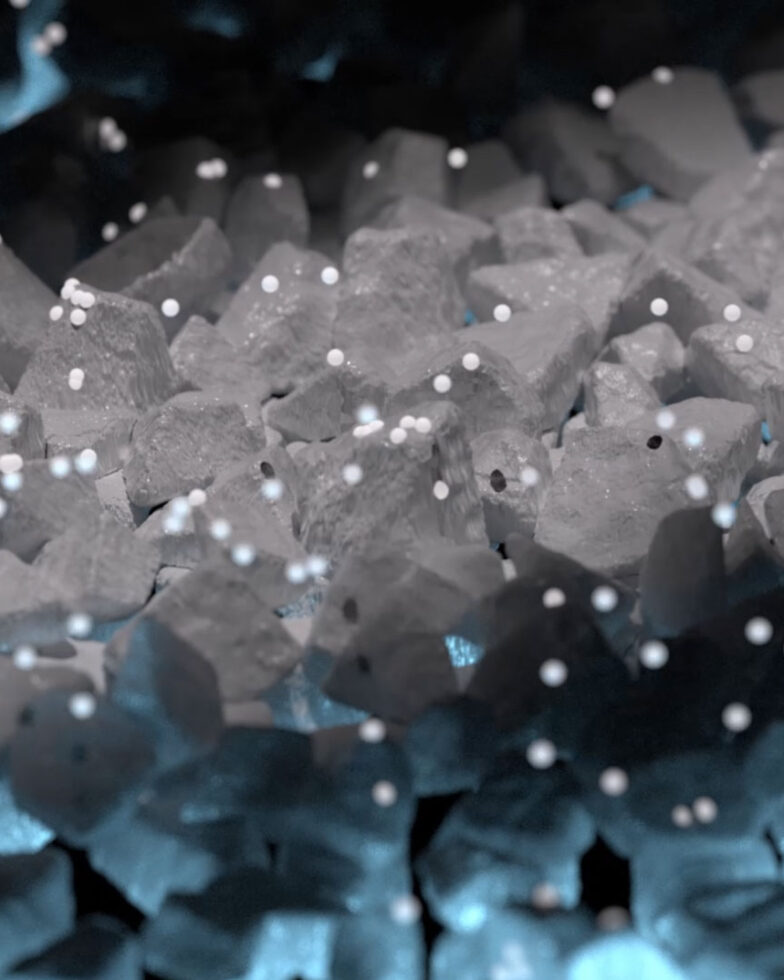
SAES High Vacuum has developed ZAO NEG, a sintered alloy pumping solution that provides reversible sorption of hydrogen isotopes and their controlled release, combined with high capacity and pumping speed for active gases.
ZAO NEG can sustain infinite sorption/desorption cycles up to 10 Torr·l/g of hydrogen isotopes, and 1,000 cycles up to 14 Torr·l/g — without losing mechanical strength, even under extreme conditions. Regeneration requires only 200 watts per NEG cartridge over 4–6 hours, minimising energy consumption across the system’s operational life.
- Infinite regeneration cycles — Up to 10 Torr·l/g per cycle, maintaining mechanical integrity with no cracking under sustained operation.
- Low regeneration power — 200W per NEG cartridge, 4–6 hours per cycle. Designed to minimise energy demand at system level.
- Distributed pumping architecture — ZAO NEG distribution inside the vacuum vessel is designed based on pressure profile and gas load, ensuring uniform pumping throughout the system.
- Automated regeneration — SAES develops software to automatically trigger regeneration cycles based on injected hydrogen isotopes, reducing operator intervention.
Application areas
01.
Neutral Beam Injectors
High-throughput hydrogen pumping in NBI systems
02.
Divertors
Exhaust gas management in the plasma-facing components
03.
EC & IC Resonance Heating
Vacuum integrity for ECRH and ICRH subsystems
04.
Diagnostics
Clean vacuum environments for sensitive measurement systems
05.
Tritium Storage & Controlled Release
Safe handling and reintroduction of tritium into the fuel cycle